Berlenga

The far-off island that we can see from our roof terrace is Berlenga. It is a shadow on the horizon right where the sun sets; misty, distant, often hidden. Over time it has worked its way into our imagination: it is a fantasy place, an enigma. The kids are sure there are pirates there. We catch ourselves gazing at it – particularly Menna, when she’s in one of those wistful moods.

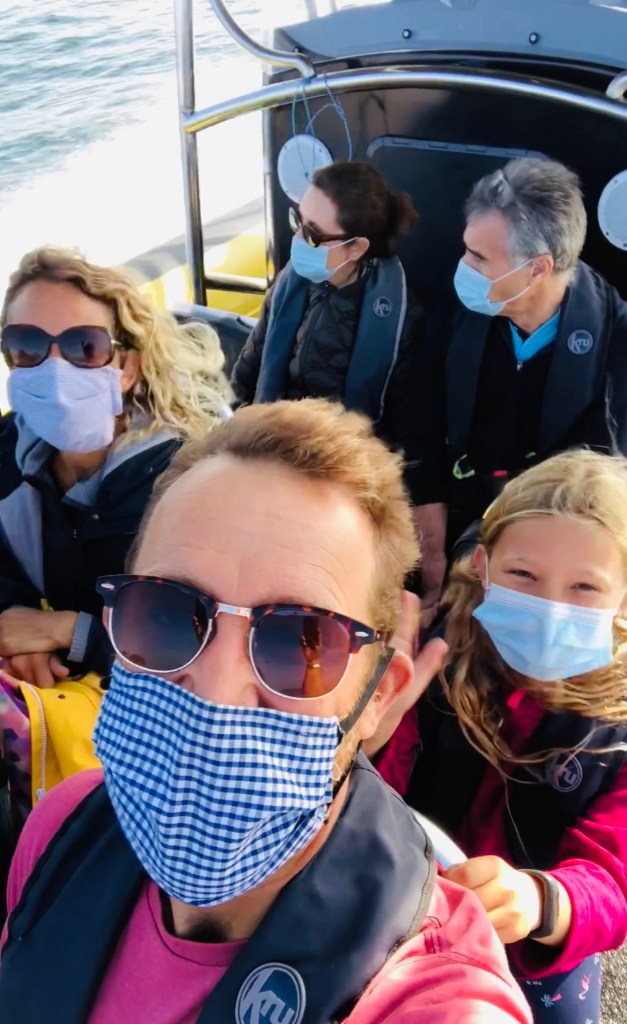
We head there by boat one day, after some early morning haggling on the Peniche quay. We travel in a rib to be precise, light and buoyant but with a ton of horsepower. With its inflatable hull and lack of keel, it feels like the wrong sort of vessel to tackle the unexpectedly large and brutish waves that greet us when we swing round the headland. The captain seems to know what he is doing though and we smash our way bluntly over everything that the sea throws at us, airborne at some points with engines whining, before skidding down into dark troughs where the sun disappears and the spray feels very cold. Matilda squeezes my hand throughout the journey, and lets out keening cries like a little storm petrel. There are no other signs of life upon the ocean.

After an hour the vague shape of Berlenga solidifies into a rocky mass in front of us. Cliffs soar, the sun steadies, and the grey of the ocean lightens into a post-card aquamarine. We putter into a bay where a ramshackle cluster of white cottages and a taverna are strung up the cliff road and the rocks are draped with fishing nets, lobster pots and buoys. We clamber onto the dock all damp and unsteady and lurch off to explore the island.

We’ve done this trip the Nicholl way – which is to scorn all of the organised tours but then to forget to do any of the research ourselves – so there is a period on the quayside where we march backwards and forwards waving our phones in the air to find signal and load a map of the island. In the end we give up and stride out to navigate by visual clues. The standard island symbols are all present here: a fort, a lighthouse, some ruins, the ubiquitous clifftop church. This much we can see without Google’s help. It turns out moreover that there is also one of those tourist information boards halfway up the mountain road. Peregrine falcons nest in the cliffs it says, and there is a huge cavern in the Northern rock face – a Catedral. Best of all though… pirates! It turns out actual pirates were here, ransacking the monastery, butchering monks and generally having fun.
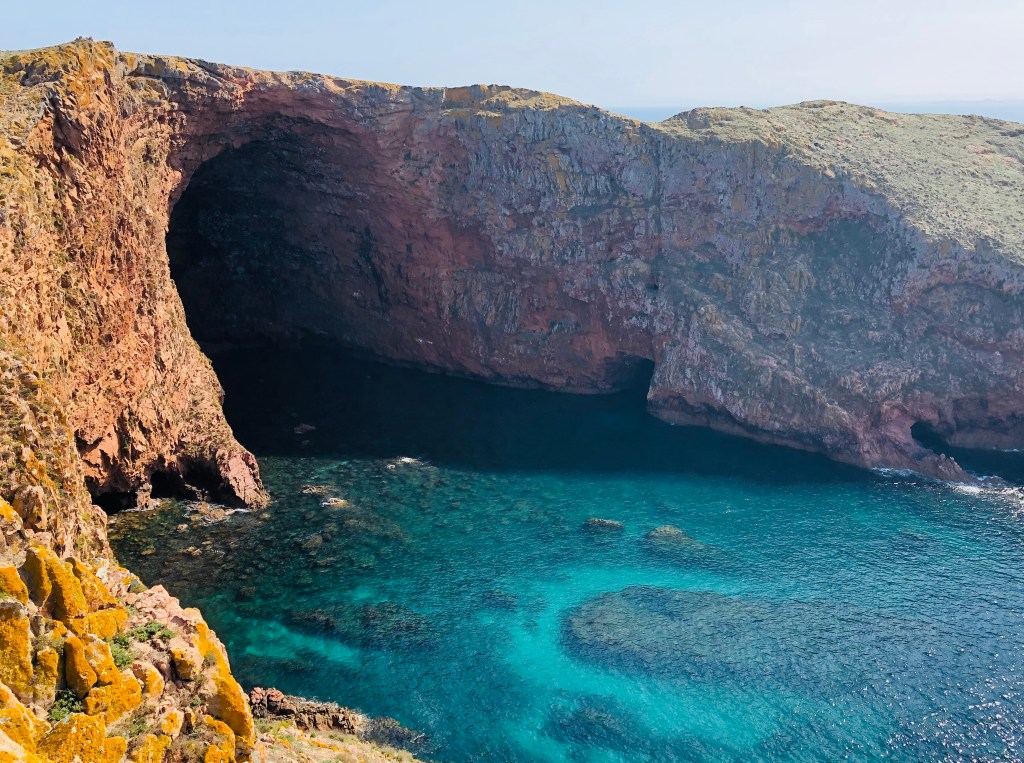
We cover the island in a couple of hours, snacking on salt crackers and pomegranate seeds like true buccaneers. Berlenga is a windswept and rugged place, handsome from some angles but very forlorn. It is how I imagine the Falklands to be, only without the puffins. There is very little vegetation though there are plenty of epic rock formations. We see a lot of bird skeletons and Arthur is able to scavenge various interesting bones for his collection. We find the cathedral cave, which is truly awesome, but we do not sight any peregrines.

The highlight of the island is the fort, where you can read stirring accounts of the Spartan-esque heroics of twenty Portuguese soldiers who held off fifteen Spanish warships and a combined force of two thousand men in 1666 (though a little later digging shows that they simply surrendered once they ran out of ammunition). It is the Portuguese Thermopylae and we are honoured to be there. The Portuguese don’t have a lot of military victories to celebrate, but like the Scots, they savour their heroic defeats.
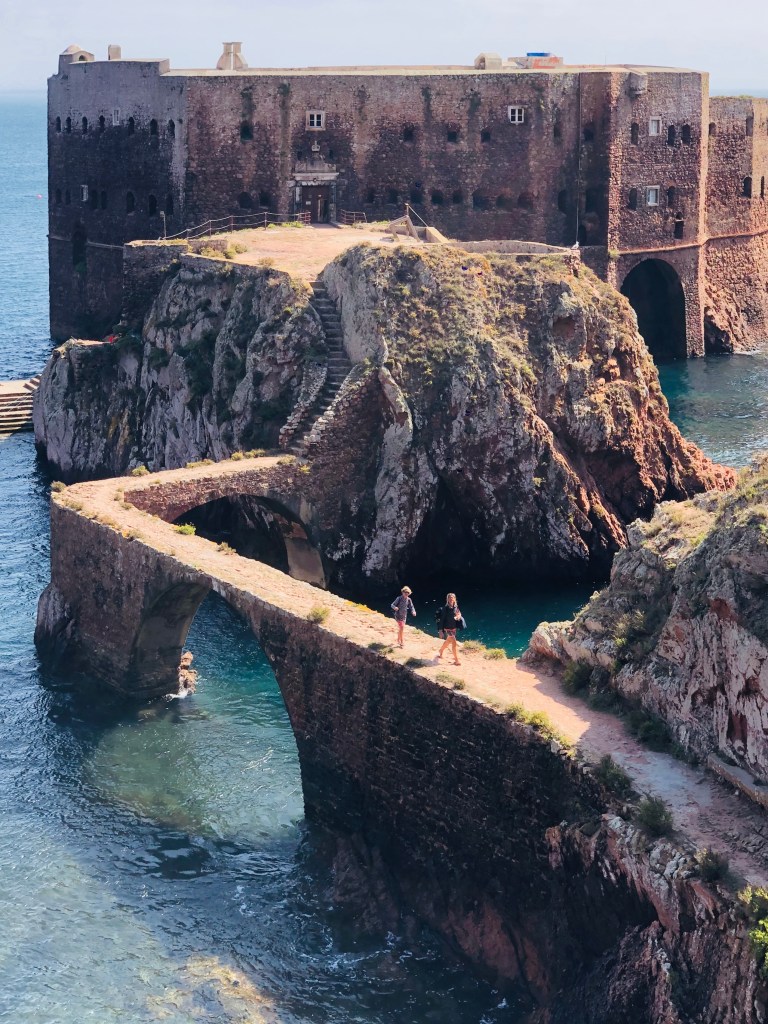
The fort is an imposing structure, jutting out to sea but joined to the mainland by a stone walkway that zig zags over some very clear turquoise waters. We picnic here and spend some time snorkelling. We see lots of fish, some crazy underwater geology and then Menna spots a huge octopus. We follow him along, pointing and making excited whale-like snorkel sounds to each other, while he changes colours, squirts ink and finally folds himself away into a crack in the rocks to be rid of us.

With rash bravado I have opted not to bring my wetsuit and despite the sun I get very cold floating in the Atlantic waters. I drag the family out of the sea and march them back over the cliffs to catch the afternoon boat home.

A bare-chested chap in Hawaiian shorts is the Berlenga harbourmaster. He greets incoming boats, ties mooring ropes and bosses around a pair of barefoot urchins. His belly taut and rounded and he has a fine black moustache which gives him authority. We watch him explaining some important unloading procedure to one of his underlings when he astonishes us by throwing himself off the pontoon mid-sentence. It is a neat dive and he enters the water with barely a splash. Some seconds later he re-emerges on the slipway at the far end of the jetty, walking slowly and majestically up the ramp and it is like a messiah is rising up out of the sea. Best of all, he resumes his conversation as if nothing has happened, although he is now quite some distance away and has to shout. Arthur and I are deeply impressed.

On the way back the waves are with us and the ride is noticeably smoother. The boat is pumping out house music. We plane along the big rollers until we reach the port at Peniche. Then our captain decides to give us all a virtuoso finale. As soon as we are level with the ‘4 Knots. Speed Restriction’ sign on the harbour wall, he slams his throttle forward, revs up to maximum and slaloms his way through the breakwater at high speed, tipping the boat hard up on its side through several sharp curves. We are horizontal at points, thrown one way then the other and only our seatbelts stop us being ejected into the water. Everyone screams and an elderly Dutch couple look like they’re going to have a heart attack. It is a bizarre manoeuvre and I’m not sure if it is intended to generate tips, demonstrate his helming skill or as a anti-disestablishment ‘fuck-you’ salute to the port authorities.

Once inside the marina the captain kills his speed and glides smoothly into his pontoon slot. He cuts the engine, turns off the music and says nothing. We all turn to look at him but he is inscrutable behind his sunglasses.
We disembark and head off into Peniche to look around the prison, but it is shut on Tuesdays.

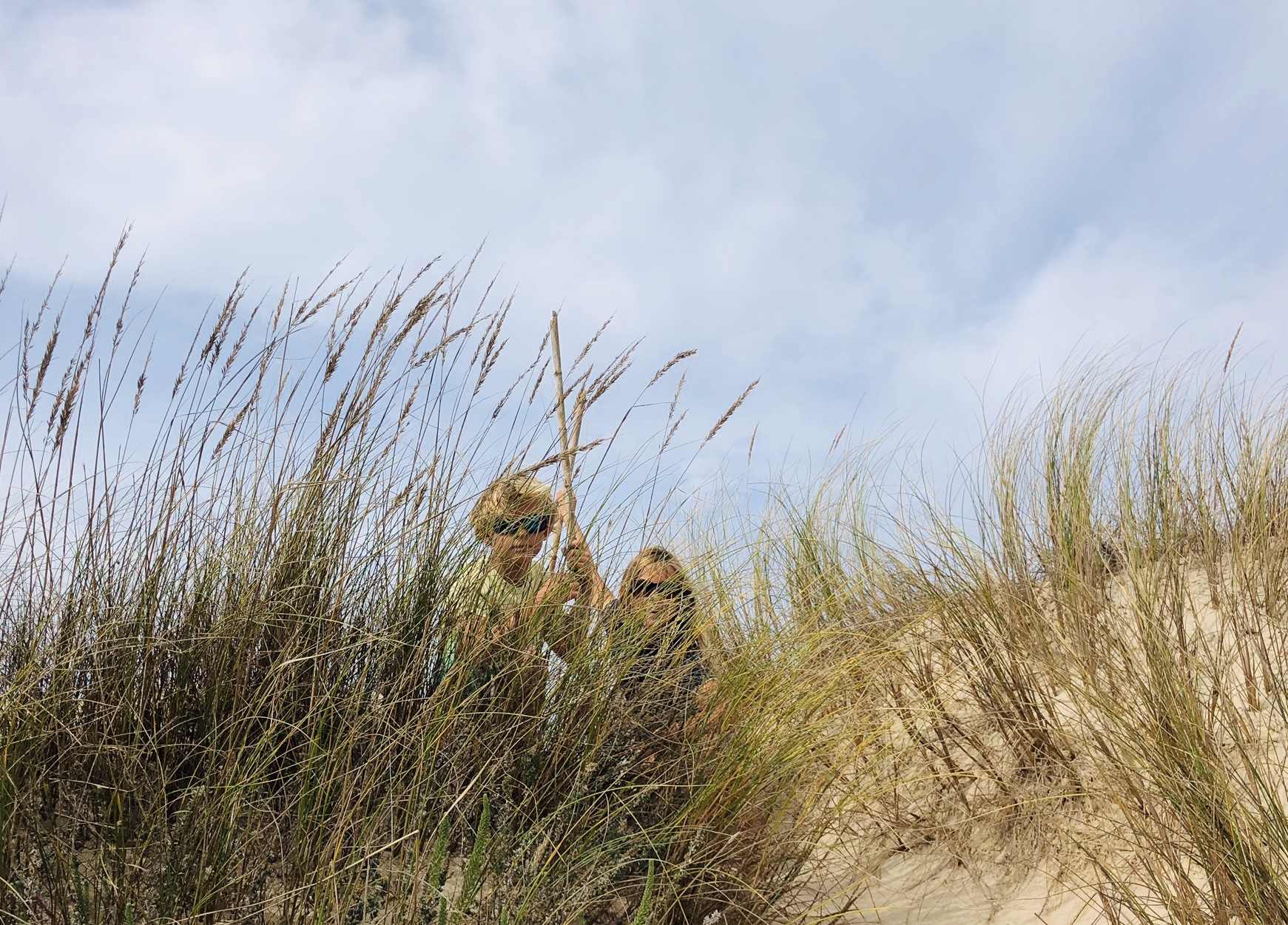
Anybody there?

The family dynamic has changed as our travels have progressed. The kids have grown up, and we are no longer as protective over them as we were back at home. We push them out into the world to explore: ‘Take your bikes and check out the place for us,’ we say when we arrive in a new town and want to unpack in peace (or have a siesta). We want them to build confidence and independence over this trip, to learn initiative and be at home in a variety of situations. Sometimes they get terribly mouthy though and I wonder if we have gone too far.

We are all a little socially hungry at the moment. Coronavirus means that the flow of travellers that one normally meets on this kind of trip has dried up somewhat. When we stay in a campsite there is a vibe and perhaps some fleeting friendships can be made over that week. Camping long-term is hard work though, and in any case the season is over now, so we mainly stay in rented houses, inserting ourselves for a week or so into some residential area of town where the locals have little interest in hanging out with tourists. Having kids with us, we don’t go out drinking and partying much in the evenings, which closes the door to many chance encounters.

It’s not all barren. Menna meets local girls in her yoga classes, I chat to other surfers, we exchange stories with tourists when we drop into the surf hostels for a drink and to use the skate ramp. Random baristas get a quick life history together with our coffee order.

We don’t see many kids around though, certainly not English speaking ones now term has started and all the sensible international parents have repatriated themselves. Arthur plays football on the beach with local Portuguese kids, getting along as boys do, without needing to exchange any words. Matilda struggles.

So what does this mean? Well, us Nicholls do pretty much everything together. We go surfing, we go on walks, we go on sightseeing trips, we play games in the evening, read books out loud and have film night twice a week. I wind up the kids, play silly pranks on Menna. She tells me off and the kids laugh at me. Menna and Matilda bake bread and cinnamon rolls and go running together on a Sunday. Arthur and I skate around town and have mock fights with bamboo sticks that occasionally get serious. We have all our meals together and argue over what music to play during breakfast.

Arthur and Matilda are inseparable now. They have strange catchphrases and songs they have invented, imaginary games that last for many days. Even when they are arguing furiously and hate each other, they still hang out together. Menna and I have the evenings. We spend long hours discussing life, what we will do in the future and planning the next stage of our travels. We concoct wild visions of the post-apocalyptic future once Covid has decimated 90% of the population. We watch horror films on Netflix.

We have been gathered up, shaken around and thrown on top of each other, and generally we have found it fine – until suddenly one of us has had enough and throws a tantrum. Then we rant and rave for a while, go off for a walk then come back chastened and wanting forgiveness.

This is travelling after all, it’s what we signed up for. It’s intense.

Massacre of the Innocents

We got back into Portugal at midnight on a Friday. Reunited with our car at Lisbon Long Stay, we drove valedictory laps through some industrial estates before eventually finding our room for the night. Menna had booked somewhere cheap and cheerful and we had no idea what we would find. It turned out to be a huge ‘family room’ with a chintzy Louis XIV vibe, high up in an apartment block. There was no private parking and it wasn’t the kind of neighbourhood where you just left a car piled with possessions on the street, so I unloaded the bikes and the boards in the dead of night and we carted them on up to the fifth floor. Our suite quickly became the cluttered dosshouse we were used to.

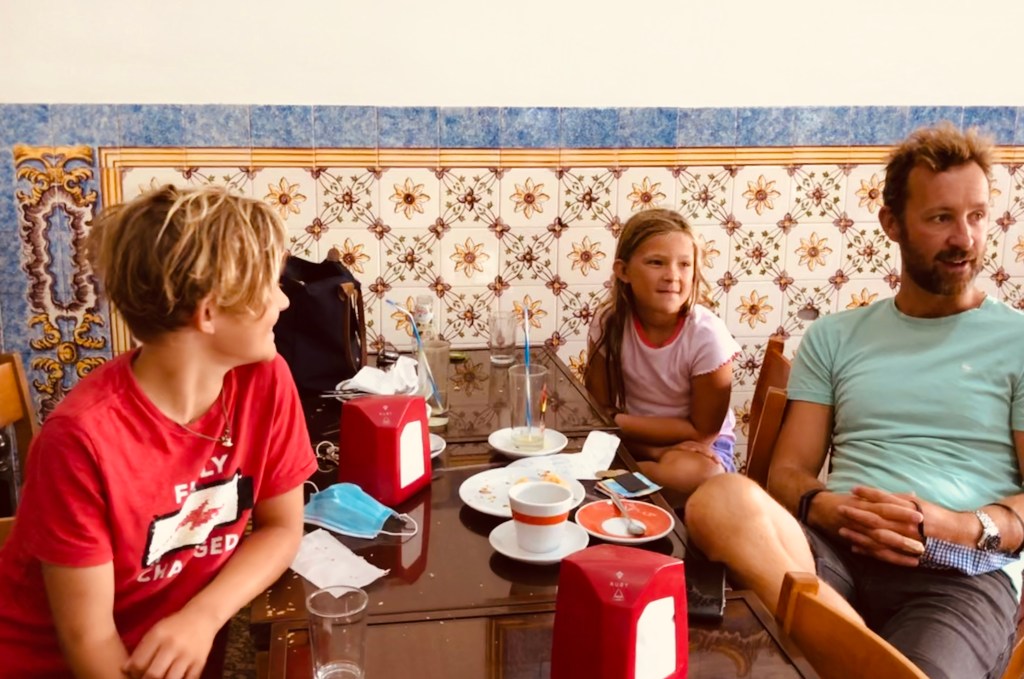
We were down in Café Angola early next morning. We ate custard pastries, drank exotic juices and got very engrossed in a snooker match that was playing on a tv suspended over the bar. At some point Menna and I remembered that it was our wedding anniversary and we had a quick peck over the table while the kids made grossed-out faces. She admired the croissant crumbs in my beard; I thought the guava on her breath smelled like the tropics. A man called Wilson eventually won a dramatic last frame and took the semi-final.

Over the next two weeks our intention was to explore the area between Peniche and Ericeira, starting North and working our way down. Our first stop was Baleal, three hours from Lisbon, on the (toll-free) scenic route, where we would camp for the weekend.

Urban Art Camping was an indulgence for the boys. The website had various soft focus pictures of graffitied walls and skate ramps, laughter around communal barbecues, brightly coloured surfboards tossed artfully upon the grass. We had booked a ‘chalet’ (trailer) for the weekend and looked forward to immersing ourselves into the party scene.

I had to raise a admiring hat to the Urban Art marketing department when we arrived, for those careful blurred shots had made so much of what there was little, and made so little of what there was most: hard earth and grit, a veil of dust hanging in the heat.

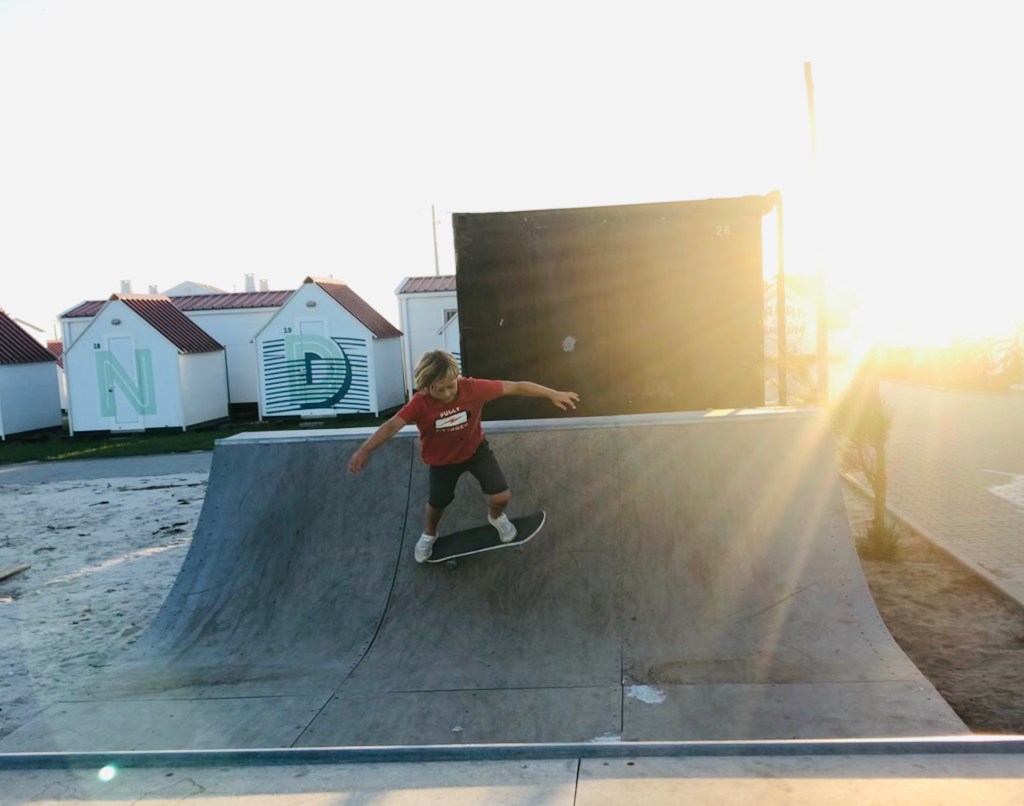
There were some murals there it was true, and a skate ramp too, in an area of sandy wasteland among abandoned breeze blocks and plastic pipes that coiled like snakes in the silt. There were also two concrete barbecue grills as promised. They were hidden on a little walkway between the toilet block and a chainlink fence that looked out onto a desolate vista of weeds and rusting agricultural machinery.

The website certainly hadn’t mentioned that the site was right next to one of the most decrepit, rundown chicken farms that can ever have flown under the animal welfare regulation radar. The tang of ammonia and chicken shit hit hard when the wind turned westerly, cries of tortured poultry haunted our nights.

We were one of approximately five occupied berths in the campsite, so the bonfire surf vibe was muted. It became quickly clear though that the real residents here were of a different species entirely, and they were having quite the party. Flies everywhere! They came coursing into our trailer if we left the door open. They danced over my face when I tried to siesta. Matilda had twelve of them in the shower with her. Their buzz bored deep into the cranium.

There is a family philosophy that we don’t kill any creatures unless they are mosquitos. No stamping on spiders or harpooning manatees for the Nicholls. Live and let live. I have to explain to the kids that there is however going to be an exemption on flies.
“But Dad, why? They’re not actually hurting us.” Asks Arthur, rightly.“Is it ok to kill something that just annoys you? Can I kill Matilda then?” There is some difficult semantic legwork to do to build a moral case for this one.
“They carry diseases and they are super annoying. It’s just better for the world if we reduce the fly population”
Arthur proves coherently and at some length that if you were to eradicate the fly population then, in a complicated web of cause and effect, there would be at least sixteen other species that would become extinct including, somehow, the Golden Eagle.
I am reduced to: “But they eat crap and then crawl on your face. They vomit digestive juices on you and then lick it back up!” And then I am plunged into a long difficult period of self-reflection. Why can’t I argue a better case for the morality of fly swatting – or at least a more eloquent one? The fly has faster reflexes than any other living thing. They are perfectly adapted to their environment and clearly a highly successful species. They play a vital role in the decomposition of biological waste. Perhaps we should just leave them alone.

Our campsite apart, Baleal is a beautiful little village. The old town sits high on granite island and its churches and towers make a classic medieval roofline silhouetted against the afternoon shine of the westward sea. It connects to the mainland by an isthmus: a single span of tarmac that runs through a spit of beach with a unspoken ‘who dares first’ priority system. There are curved bays with fine white sand and turquoise waters on either side. This is ideal surf terrain as there are waves approaching the spit from two opposing directions, so it works on both northerly and southerly swells, and one side will pick up an offshore whatever the prevailing wind direction. We eat toasted cheese sandwiches and pickled lupini beans at a café on the cliffs, marvelling at our luck.

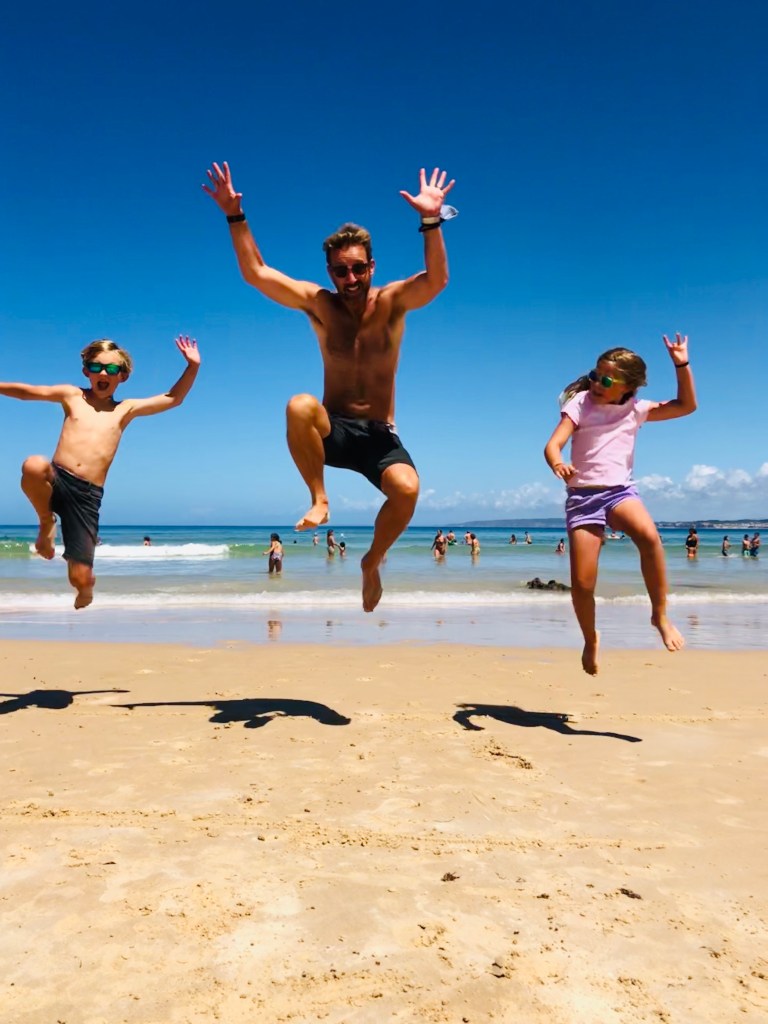
There is a series of beautiful beaches to the north of town with terracotta sandstone crags towering above them and this is where we spend Sunday. The waves are booming and I have one of the best ever surf sessions until my leash breaks, leaving me with a long swim back into shore. There is no harm done though and we walk the dusty road back to our campsite tired, scorched and happy. I find my spot behind the loos, fire up the barbecue and cook us up a chorizo-themed feast to finish the weekend in style. I am mellowed by surf and sun, the wastelands now stretch in front of me like a blank canvas full of promise. I superimpose all sorts of heroic and unlikely visions of the future there.

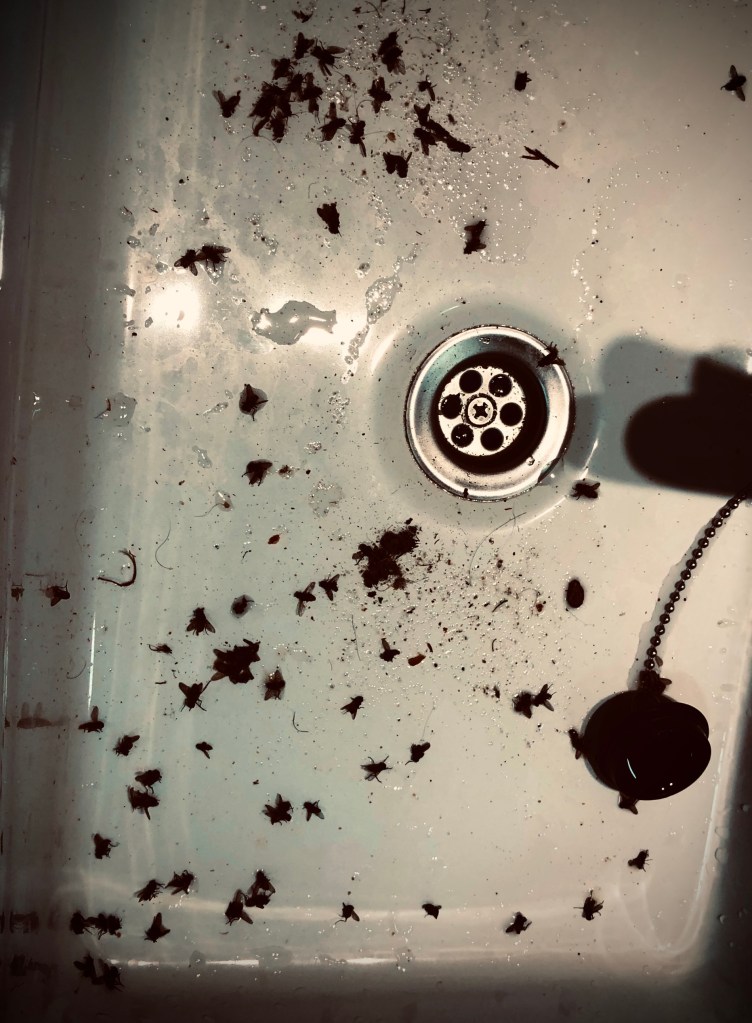
The mood evaporates later though when we return to our cabin and are greeted by a terrifying sight. We have left the door open and the flies have invaded. The ceiling is dark with them, so are the walls. They are flying lazy loops in the kitchen like they own the place. There are too many to count, though Arthur tries.

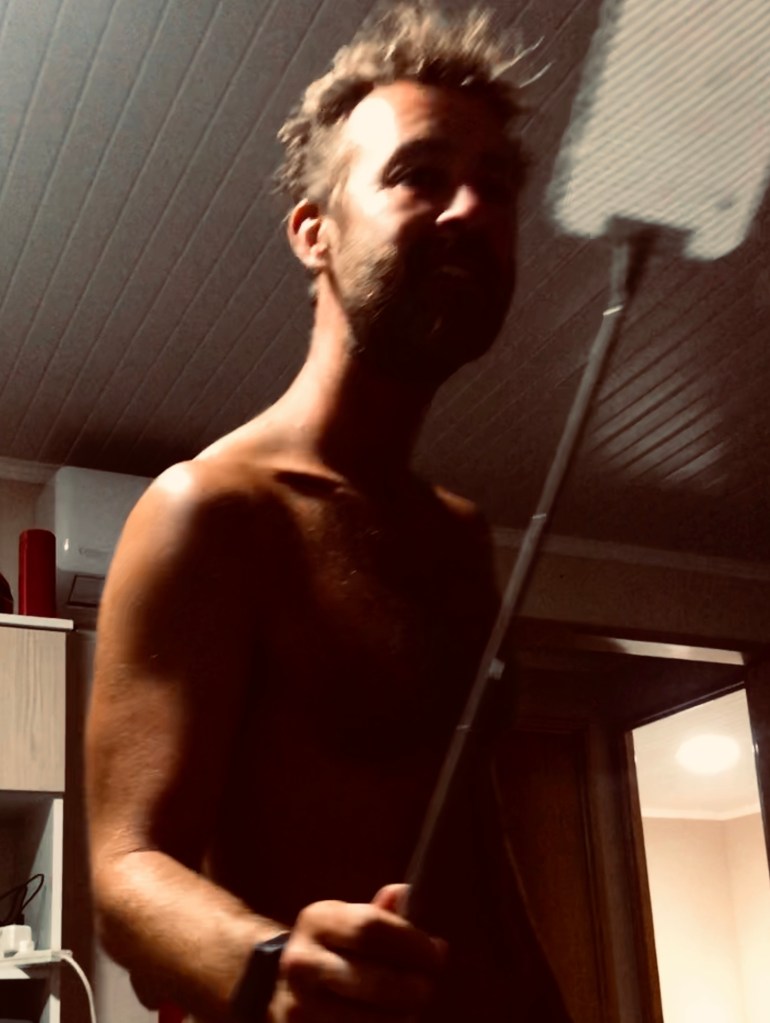
We have a family meeting. While it is true that we are a peaceful lot who seek no quarrel, tonight the fight has been brought to us. The sovereignty of our very trailer has been attacked and we must respond. We arm ourselves grimly with towels, magazines and Grandma’s fly swat, and we stride forth with murder in our hearts.

I have only fragmented memories of that night. A strange dark ballet. Metallic swirls in the dusk. Menna howling and swinging wildly. Arthur grinning diabolically as he leapt from chairs, his face streaked with some dark residue. Fluorescent lights flicker like strobes. The air-con unit groans. Dismembered limbs and wings; dark streaks down the wall; piles of small furry bodies amassed upon the floor. Matilda is a blur, twirling and stamping, teeth gritted, letting out animalistic cries. But still they pour in. They are in the plug sockets! Under the fridge! Hiding in the toaster! Sweat, blood, buzzing, shrieks. We killed them in their hundreds. Stamped on their mute bodies. Plucked off their wings. Did we…eat them?

We drive out of Urban Art Camping at nine the next morning still twitchy and agitated, the bloodlust barely subsided. We leave the crime scene behind us and flee south.

Somewhere in the car there is a buzzing sound.